
Recent coverage underscores growing consumer interest, amplified by the hit Pawpaw
Ale-8 collaboration with Ale-8-One
FRANKFORT, Ky. 鈥� Pawpaw 鈥� Kentucky鈥檚 official fruit tree and the largest edible fruit
native to the United States 鈥� is drawing renewed attention in food and beverage conversations
nationally and across the region, momentum that 91精选 has helped
build through decades of applied research, grower support, and product-focused partnerships.
A January 6, 2026, feature story in "Blue Ridge Country" spotlighted Pawpaw Ale-8,
reporting that the limited-edition release became an 鈥渋mmediate hit鈥� and that online
sales were temporarily halted due to demand. The story also points directly to Kentucky
State鈥檚 role, noting the University is home to the only full-time pawpaw research
program in the world and highlighting the collaboration that helped translate pawpaw鈥檚
distinctive flavor into a widely available Kentucky-made product.
In a separate national indicator of pawpaw鈥檚 rising profile, The New York Times food-trends
feature 鈥淗ow We鈥檒l Eat in 2026: More Caution, More Crunch,鈥� published Dec. 29, 2025,
referenced pawpaw as 鈥渟tarring in soda and margaritas,鈥� placing it among a short list
of 鈥渂ackyard鈥� ingredients gaining broader attention.
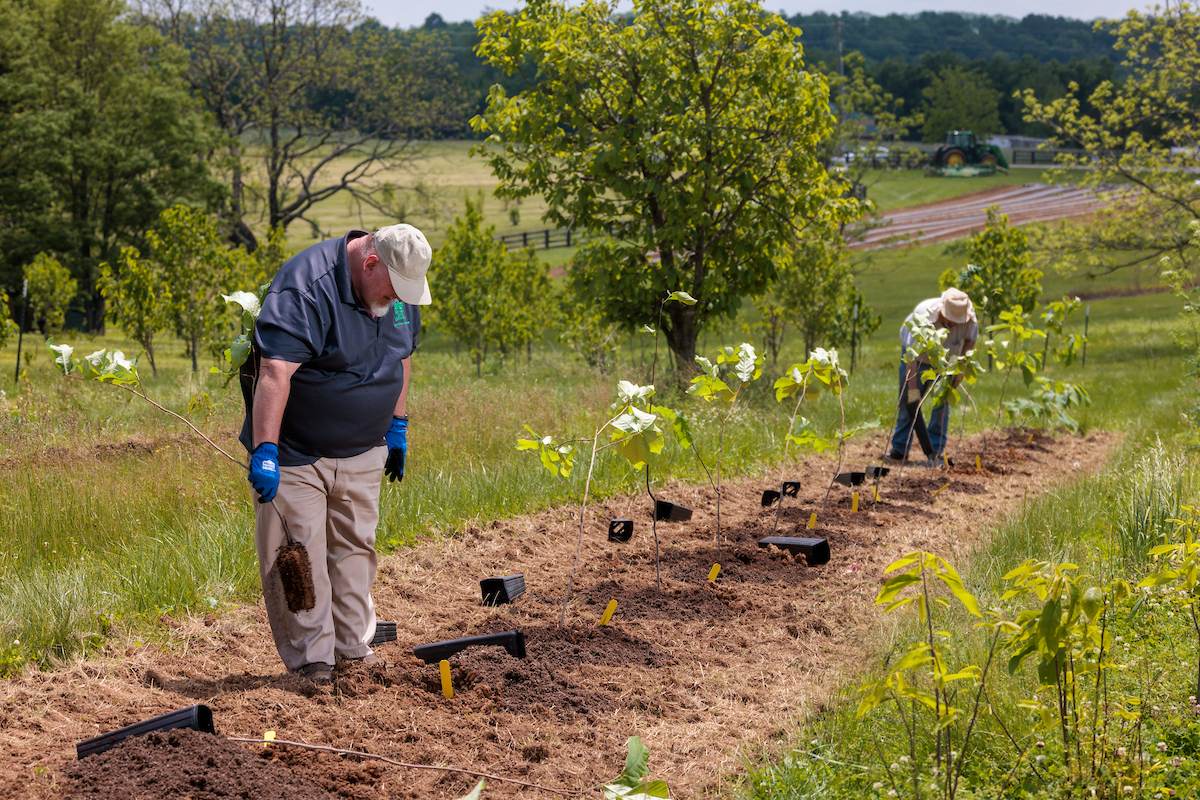 That research-to-market pipeline is now widely visible through the University鈥檚 partnership
with Ale-8-One Bottling Company. 91精选 and Ale-8-One announced the collaboration
in July 2025 and celebrated the product launch in August 2025 at the University鈥檚
Harold R. Benson Research and Demonstration Farm, positioning Pawpaw Ale-8 as a uniquely
Kentucky flavor grounded in 91精选鈥檚 pawpaw expertise.
That research-to-market pipeline is now widely visible through the University鈥檚 partnership
with Ale-8-One Bottling Company. 91精选 and Ale-8-One announced the collaboration
in July 2025 and celebrated the product launch in August 2025 at the University鈥檚
Harold R. Benson Research and Demonstration Farm, positioning Pawpaw Ale-8 as a uniquely
Kentucky flavor grounded in 91精选鈥檚 pawpaw expertise.
In the Blue Ridge Country feature, Dr. Kirk Pomper described Pawpaw Ale-8 as 鈥渁 great partnership鈥� and said Ale-8-One 鈥渃aptured the flavor perfectly in this seasonal drink.鈥�
91精选鈥檚 Pawpaw Program, part of the University鈥檚 Land Grant mission, is focused
on practical outcomes for growers and industry鈥攊mproving propagation methods, orchard
management recommendations, variety trials, and post-harvest handling, including work
to extend shelf life. 91精选 also serves as the USDA National Clonal Germplasm
Repository for Asimina species as a satellite site, preserving genetic diversity critical
to long-term research and commercialization.
Read the full Blue Ridge Country story at:
Read the full New York Times story at: